
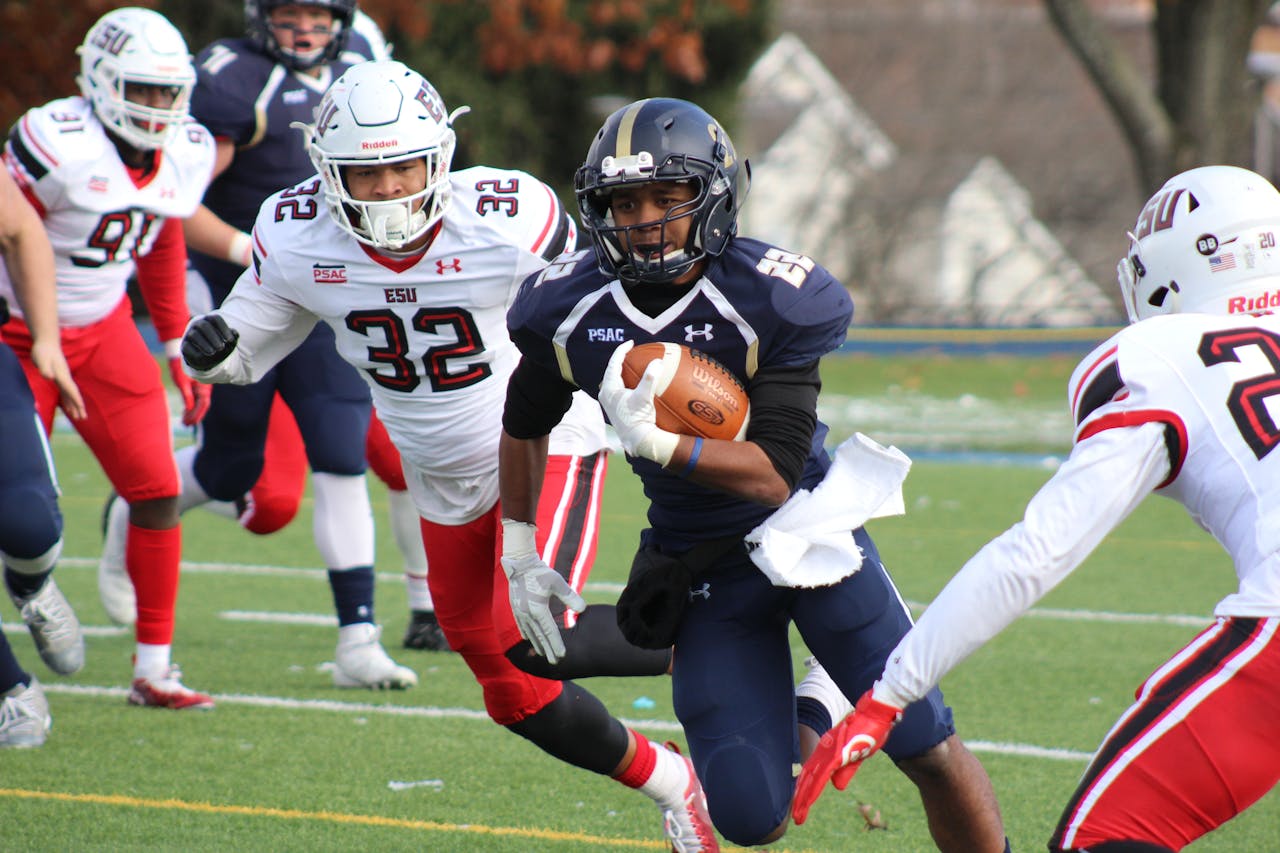
In today’s fast-paced world of sports, injuries are a persistent challenge that can derail an athlete’s career and impact overall team success. From muscle fatigue to overuse injuries, even minor strains can bench a player for weeks. Fortunately, artificial intelligence (AI) is bringing a powerful, data-driven approach to reducing these risks. Through predictive analytics, wearable technology, and personalized training programs, AI is transforming how athletes train, recover, and stay injury-free.
Predictive Analytics: The First Line of Defense Against Sports Injuries
One of the most significant ways AI is being used in sports injury prevention is through predictive analytics. Using huge amounts of data collected from athletes—such as training intensity, body mechanics, heart rate, and recovery metrics—machine learning algorithms can identify patterns that may signal an increased risk of injury.
For example, when an athlete shows abnormal fatigue levels, decreased power output, or imbalanced motion patterns, AI can flag these as potential precursors to injury. Coaches and sports scientists can then intervene early by adjusting workloads, modifying training schedules, or prescribing targeted recovery sessions.
This proactive approach allows teams to predict and prevent injuries before they happen, improving athlete longevity and performance consistency. Leading teams in soccer, basketball, and athletics already rely on these insights to tailor personalized training programs and reduce downtime.
Wearable Technology and Real-Time Biomechanical Monitoring
AI-powered wearable devices are revolutionizing how athletes monitor their bodies. From smart clothing to motion-tracking sensors, these gadgets collect precise biomechanical data such as running gait, jump height, landing impact, balance, and stress distribution on joints.
By processing this information in real time, AI systems can detect early signs of dangerous imbalances or overuse. For instance, if a runner’s stride starts to shorten due to fatigue or a tennis player’s shoulder rotation speed increases abnormally, the system can alert the coach or athlete instantly.
This instant feedback empowers athletes to correct form, reduce stress on vulnerable muscles, and prevent overtraining—one of the biggest causes of chronic sports injuries. Real-time AI monitoring also helps medical staff design more efficient warm-ups, cool-downs, and rehab exercises tailored to each player’s physiological data.
Personalized Training and Recovery Plans
Every athlete’s body reacts differently to stress, exertion, and recovery. Traditional training programs often overlook these individual variations, but AI enables hyper-personalized workout and recovery plans that evolve dynamically.
By analyzing a combination of biometric, environmental, and psychological data, AI tools can recommend when an athlete should push harder or take it easy. If an athlete experiences decreased sleep quality, elevated heart rate variability, or delayed muscle recovery, AI can automatically adjust the next day’s workload.
During rehabilitation, AI-powered systems support doctors and physiotherapists by tracking recovery progress and ensuring exercises are performed safely. Adaptive algorithms modify the plan as healing progresses, helping athletes return to play faster while minimizing re-injury risks.
Advanced Video Analysis and Movement Optimization
AI’s application in video analysis is another breakthrough for injury prevention in sports. Modern computer vision algorithms can study hours of footage to detect high-risk movements that often precede injuries.
For example, the system might pinpoint a soccer player’s improper landing mechanics after jumps or a basketball player’s repetitive stress on knees during lateral movements. Based on this insight, trainers can use evidence-based corrections to improve form and reduce pressure on joints.
Beyond elite sports, this technology benefits young athletes by reinforcing proper movement habits early—helping prevent chronic injuries later in life. Video-based AI analysis thus bridges the gap between sports performance enhancement and injury prevention.
Mental and Cognitive Load Tracking
Physical stress isn’t the only factor that leads to injury—mental fatigue plays a major role too. AI systems can track cognitive load by analyzing reaction times, focus levels, and performance patterns throughout games and practices.
When mental fatigue is detected, the system recommends rest or cognitive recovery exercises to ensure athletes maintain sharp focus. This helps prevent mistakes caused by slowed decisions or poor concentration, which often lead to impact injuries or coordination errors.
The Future of AI in Sports Injury Prevention
The future of injury prevention lies in combining AI, biomechanics, and human expertise. As technology advances, AI will integrate even more data—such as genetic indicators, emotional patterns, and environmental conditions—to refine predictions and training recommendations.
Soon, wearable AI systems could automatically sync with nutrition and sleep data, offering real-time feedback like “You’ve reached your muscle fatigue threshold” or “Take a rest day to prevent overuse.” This level of precision will make training smarter and safer than ever.
Ultimately, AI doesn’t replace the human touch in sports—it enhances it. Coaches, medical professionals, and athletes can now make data-backed decisions that improve performance while minimizing injury risk. By integrating AI into every stage of training and recovery, the sports world is taking a major leap toward a future where injury prevention becomes part of performance optimization.