If you have submitted your website or AI product to dozens of tool directories, you have probably asked yourself this question at least once. With Google constantly updating its algorithms, the SEO landscape in 2026 looks very different from what it was even two years ago.
The short answer is yes, AI tool directory backlinks can still help your SEO. But the longer answer is more nuanced, and understanding that nuance is what separates a smart link-building strategy from a wasted effort.
What Are AI Tool Directory Backlinks?
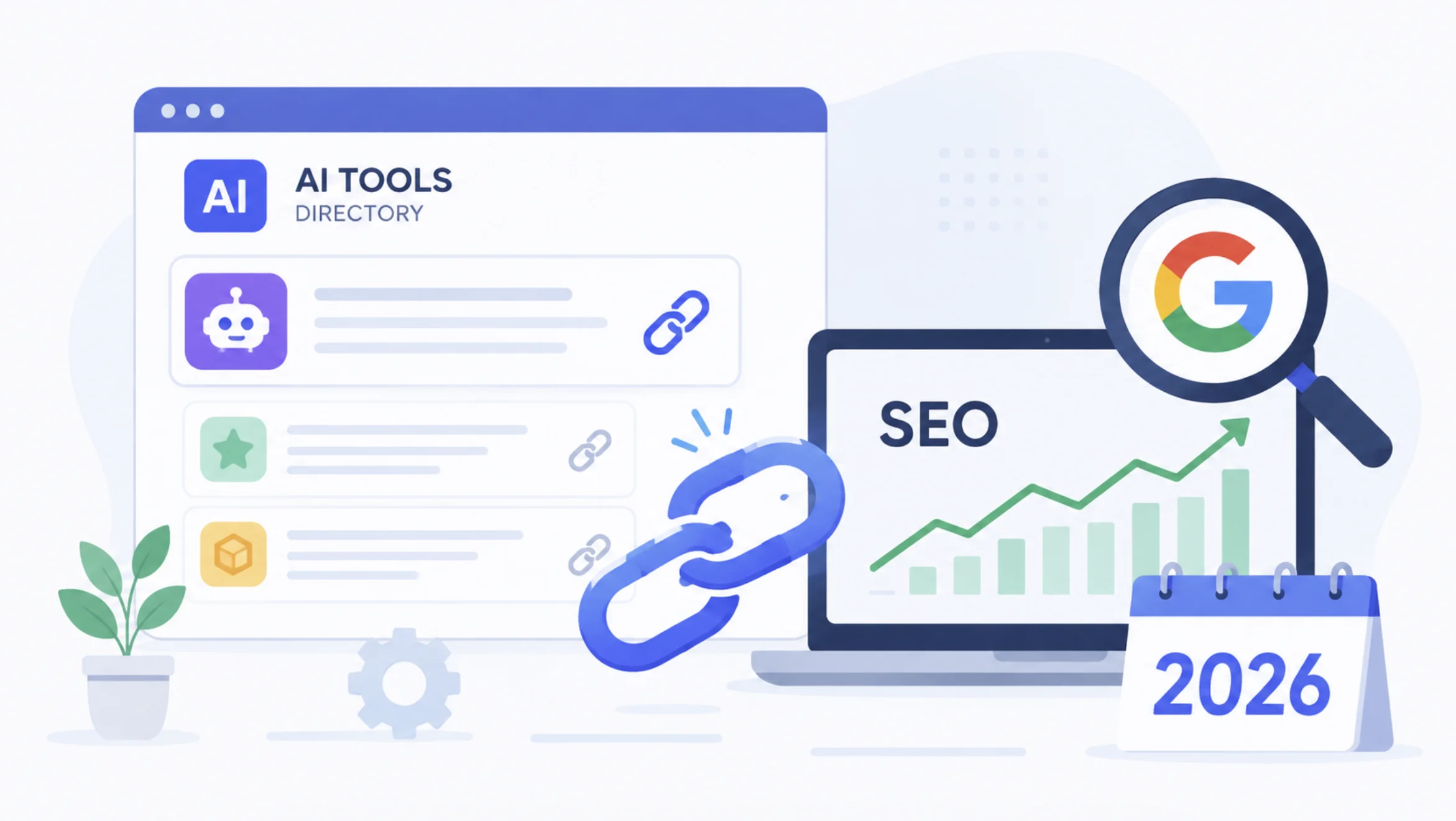
AI tool directories are websites that list and categorize artificial intelligence products, apps, and services. When your tool gets listed on one of these directories, you typically receive a backlink pointing to your website.
These backlinks serve as a signal to search engines that your site is legitimate and relevant within the AI space. Think of them like a vote of confidence from a curated catalog.
Popular AI tool aggregators receive thousands of visitors each month, which makes them more than just a link source. They also send referral traffic directly to your product page.
How Google Evaluates Directory Backlinks in 2026
Google has become significantly better at distinguishing high-quality directory links from spammy ones. The search engine now evaluates directory backlinks based on several factors.
Relevance Over Volume
A single backlink from a well-maintained, niche-specific AI directory carries more weight than twenty links from generic, low-quality listing sites. Google prioritizes topical relevance, so a link from an AI-focused directory to your AI product page makes perfect sense.
Random submissions to unrelated directories, however, can actually hurt your rankings. Google’s spam detection has improved dramatically, and it can flag patterns of irrelevant link acquisition quickly.
Domain Authority Still Matters
Not all directories are created equal. A listing on a directory with strong domain authority, consistent traffic, and editorial standards will always outperform a link from a newly created, thin-content directory.
Here is a quick comparison of what separates high-value directories from low-value ones:
| Factor | High-Value Directory | Low-Value Directory |
|---|---|---|
| Domain Authority | DA 30+ | DA below 15 |
| Traffic | Consistent organic visitors | Little to no traffic |
| Editorial Review | Tools are vetted before listing | Auto-approve all submissions |
| Content Quality | Detailed descriptions, reviews | One-line entries, no context |
| Link Type | Dofollow with relevant anchor | Nofollow or JavaScript redirect |
The Real SEO Benefits of Directory Listings
Beyond the direct link value, directory listings for AI tool discoverability offer several indirect SEO benefits that many marketers overlook.
Brand Visibility and Trust Signals
When your product appears across multiple reputable directories, it creates a consistent online presence. Google’s algorithms increasingly factor in brand mentions and entity recognition. Even if a directory link is nofollow, your brand appearing alongside established tools builds trust signals.
“The value of directory backlinks in 2026 is not just about PageRank transfer. It is about establishing your brand as a recognized entity in your niche,” as many SEO professionals now emphasize.
Referral Traffic That Converts
People browsing AI directories are actively looking for solutions. This makes the referral traffic from these listings highly targeted and more likely to convert than generic organic visitors.
A well-optimized directory listing can become a steady source of qualified leads without any ongoing effort on your part.
Indexing and Crawl Benefits
For newer websites, directory backlinks help search engine crawlers discover and index your pages faster. If your site is relatively new, getting listed on established directories is one of the quickest ways to get Google’s attention.
When AI Tool Directory Backlinks Can Hurt Your SEO
There is a flip side. Not every directory submission helps. Here are scenarios where these backlinks can actually damage your search rankings:
- Submitting to hundreds of low-quality directories in a short period
- Using exact-match anchor text across all listings
- Getting listed on directories with no editorial standards or review process
- Paying for links on directories that openly sell placements without disclosure
- Submitting to directories completely unrelated to your niche
Google’s link spam update has become more aggressive about penalizing manipulative link patterns. If your backlink profile suddenly shows fifty new directory links in a week, that raises red flags.
A Smart Directory Link-Building Strategy for 2026
The key is being selective and strategic. Here is how to approach directory backlinks the right way.
Step 1: Audit Before You Submit
Before submitting your tool to any directory, check its domain authority, traffic trends, and the quality of its existing listings. Tools like Ahrefs or Moz can help you evaluate whether a directory is worth your time.
Step 2: Prioritize Niche Relevance
Focus on directories that specifically cater to your industry. For an AI product, an AI-focused directory listing will always outperform a generic business directory in terms of SEO value.
Step 3: Diversify Your Anchor Text
Use natural, varied anchor text across your directory listings. Mix your brand name, product name, and descriptive phrases. Avoid repeating the same keyword-rich anchor on every submission.
Step 4: Combine With Other SEO Tactics
Directory backlinks should be just one piece of your overall SEO strategy. Pair them with quality content marketing, guest posting, digital PR, and technical SEO improvements for the strongest results.
Directory Backlinks vs. Other Link-Building Methods
How do directory backlinks stack up against other common link-building approaches? Here is a practical breakdown:
| Method | Effort Level | SEO Impact | Cost |
|---|---|---|---|
| AI Tool Directories | Low | Moderate | Free to Low |
| Guest Posting | High | High | Moderate |
| Digital PR | Very High | Very High | High |
| Social Media Links | Low | Low (mostly nofollow) | Free |
| Forum and Community Links | Moderate | Low to Moderate | Free |
As you can see, directory backlinks offer a strong return relative to the effort involved. They are not the most powerful link type, but their ease of acquisition makes them a valuable part of any well-rounded strategy.
What the Experts Are Saying
“Directory links are not dead. What is dead is the lazy approach of submitting to every directory you can find without considering quality or relevance,” is a sentiment shared by many leading SEO professionals in the industry.
The consensus among experienced digital marketers is clear. Quality directory backlinks remain a legitimate and effective tactic when used as part of a broader, diversified link-building approach.
Tips for Maximizing Your Directory Listing Impact
Once you have identified the right directories, here is how to make each listing work harder for you:
- Write a unique, compelling description for each directory instead of copying and pasting the same text
- Include relevant categories and tags to improve your visibility within the directory
- Add screenshots, demos, or videos if the directory supports rich media
- Keep your listings updated when you release new features or change pricing
- Monitor your referral traffic from each directory to identify the highest-performing ones
Taking these extra steps can turn a simple directory listing into a genuine SEO asset that delivers value for months or even years.
How AI SEO Tools Can Help You Track Results
Tracking the impact of your directory backlinks is essential. Modern AI SEO tools can analyze how each backlink contributes to your overall domain authority and rankings.
Set up regular audits to monitor which directory links are driving traffic, which ones have been deindexed, and where new opportunities might exist. This data-driven approach ensures you are always investing your time in directories that actually move the needle.
Conclusion
AI tool directory backlinks still help SEO in 2026, but only when you approach them strategically. The days of mass-submitting to every directory and expecting a rankings boost are long gone. Focus on high-authority, niche-relevant directories, diversify your anchor text, and treat directory links as one component of a comprehensive marketing strategy. When done right, these backlinks continue to be a low-effort, high-reward tactic that supports your search visibility and drives qualified traffic to your product.